A new website to increase business growth and user engagement
Improving how users find and discover content on the website - while also helping Athalos grow into the B2C market by overhauling the content strategy and improving the overall UX metrics
Role
Sole UX Designer
Employer
Athalos Global Services
Platform
Browser
Duration
Sole UX Designer
Athalos wants to grow into the B2C market
Athalos currently focuses on the B2B market. Athalos offers the "Global Access Service" to simplify international communications for businesses. Instead of managing multiple phone numbers and contracts around the world, companies can use one number to connect with customers globally. This approach cuts costs, reduces paperwork, and streamlines operations by leveraging Athalos's expertise.
Consumers were having a difficult time discovering the current website
Initially, the content was heavy with industry and B2B jargon. However, early user testing revealed that consumers struggled to understand the value Athalos offers. Athalos won’t be able to successfully expand into the B2C market if users can’t clearly grasp its value during their first interaction.
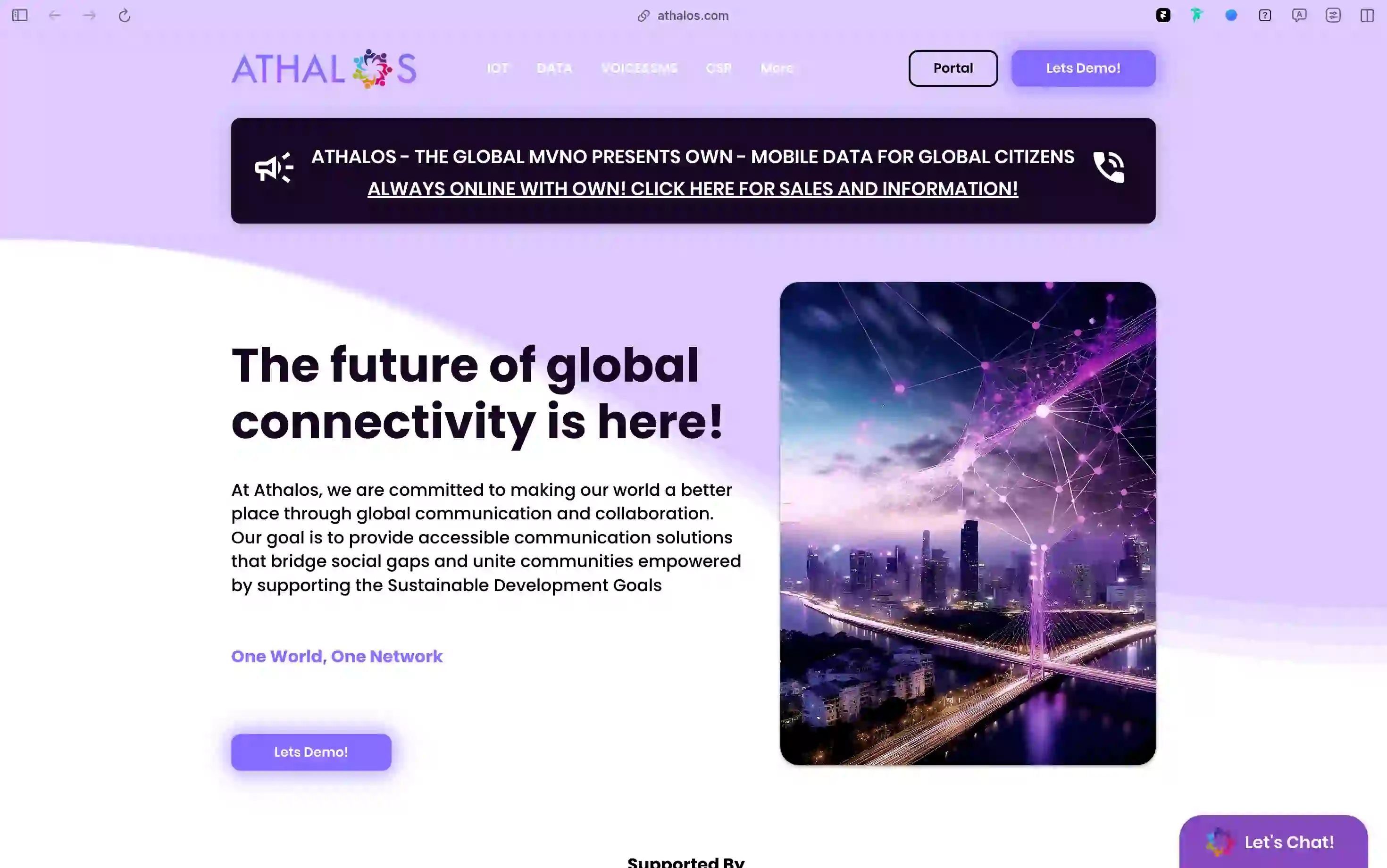
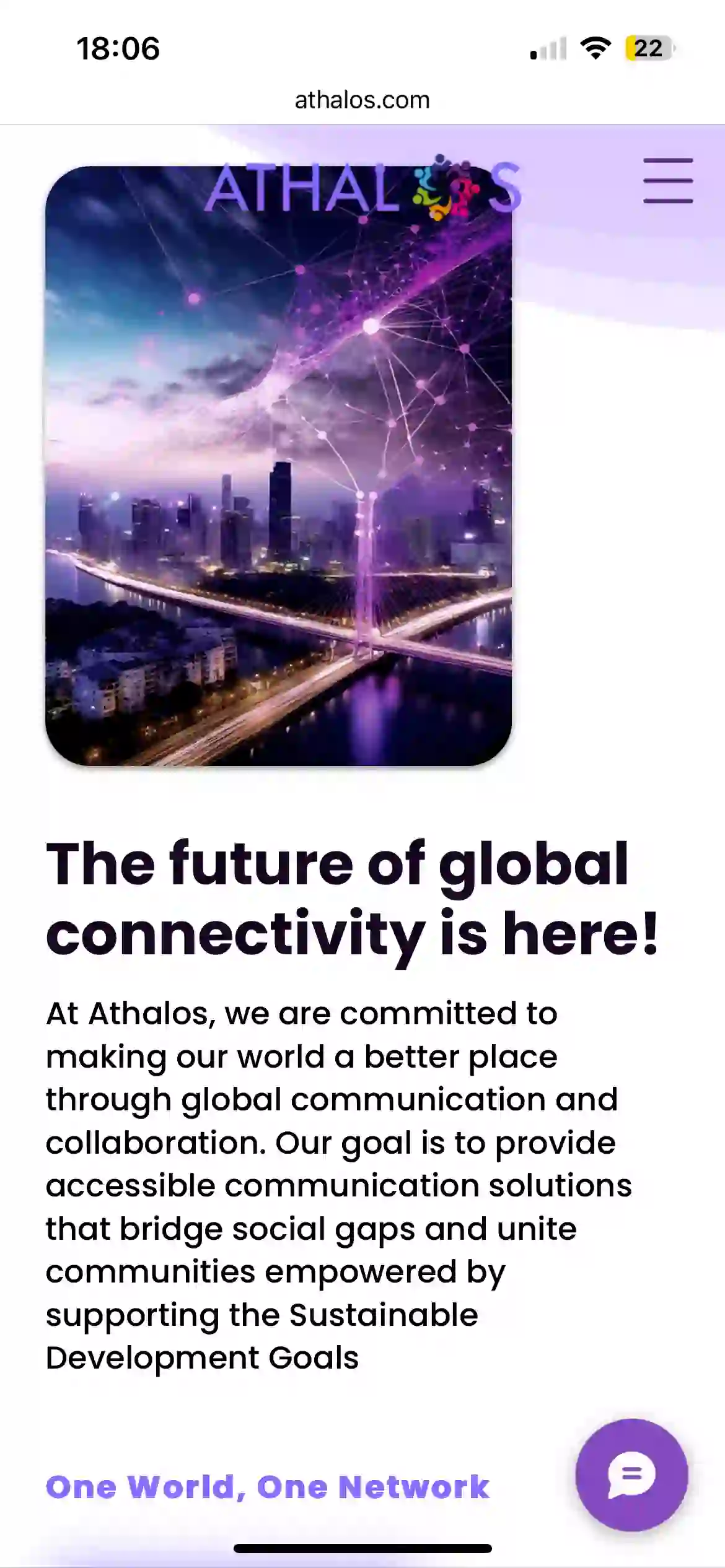
The current desktop website, highlighting some of its shortfalls
Improving consumer discovery and driving Athalos’ growth with a high-converting landing page
I conducted extensive industry research to fully grasp the telecom industry. While also exploring user psychology, the key elements behind high-converting landing pages and target group research.
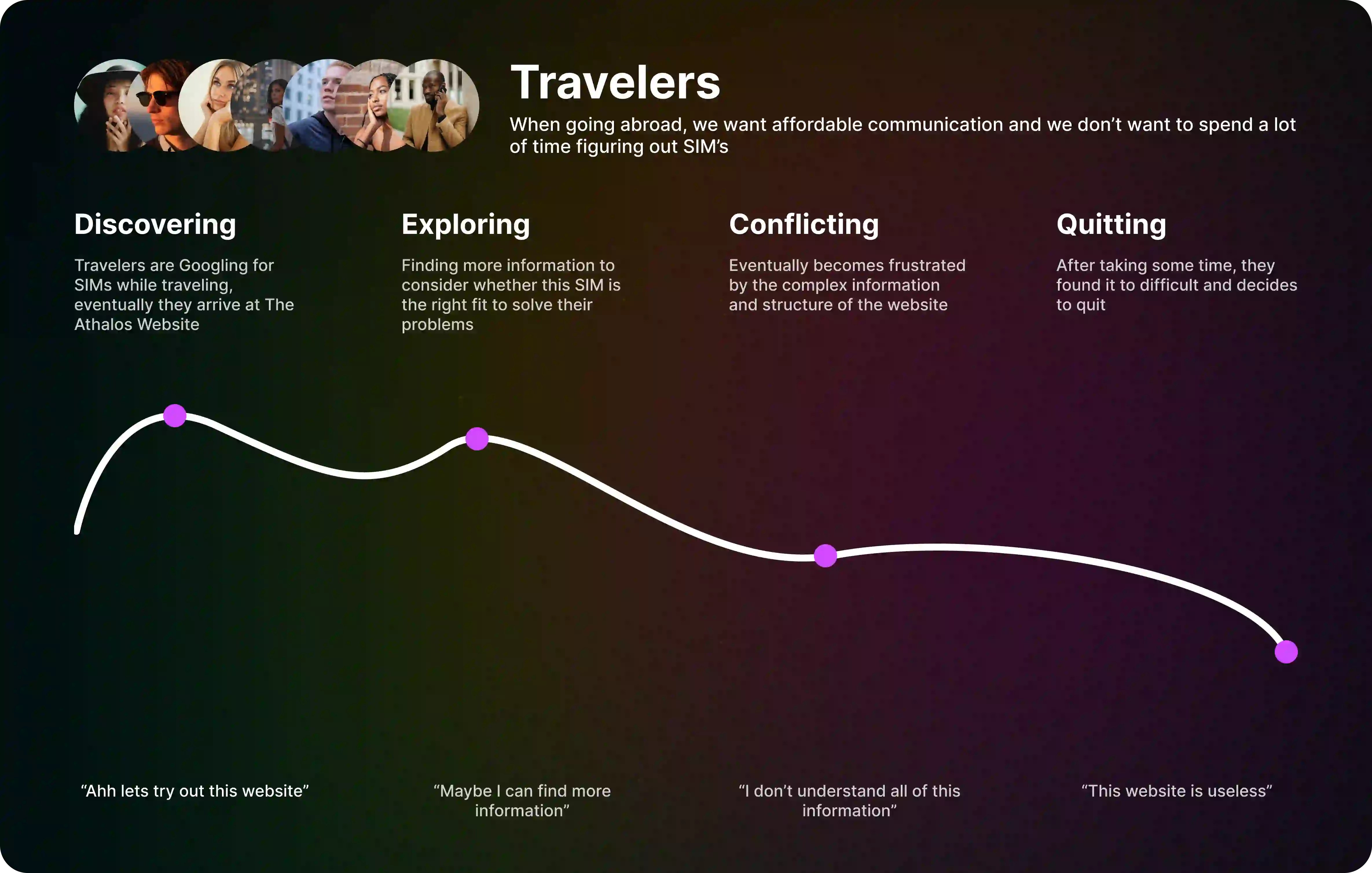
Research and testing resulted into a customer journey, visualizing the original discovery phase
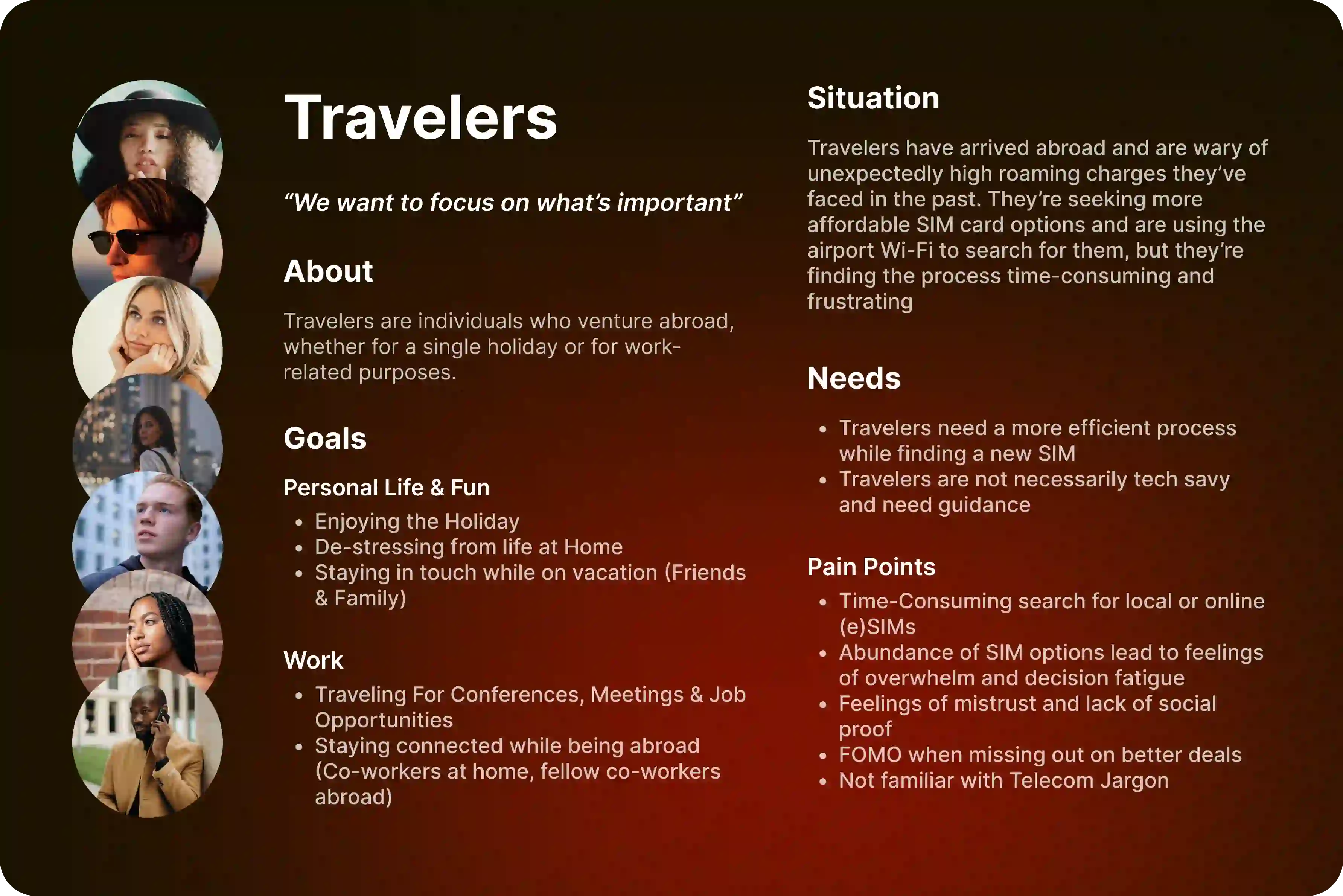
Summarized the target group's wants & needs to focus on solving user problems
Improving the value proposition and clarity of the information
By doing extensive research, I've discovered the importance of a value proposition that resonates with the target user. This helps first-time visitors to grasp the value of Athalos, keeping them hooked and engaged during the discovery phase.
A new content strategy
To help travelers in their discovery of SIM(s), I streamlined the content to highlight only the information that's relevant and valuable to them. Visitors tend to leave quickly if they can't immediately find what they're looking for, so clarity was essential.
Designing for a high converting landing page
Drawing from insights in user psychology, I adjusted the structure and content to simplify visitor decision-making. Understanding human behavior allowed me to effectively anticipate and address visitors’ perspectives.
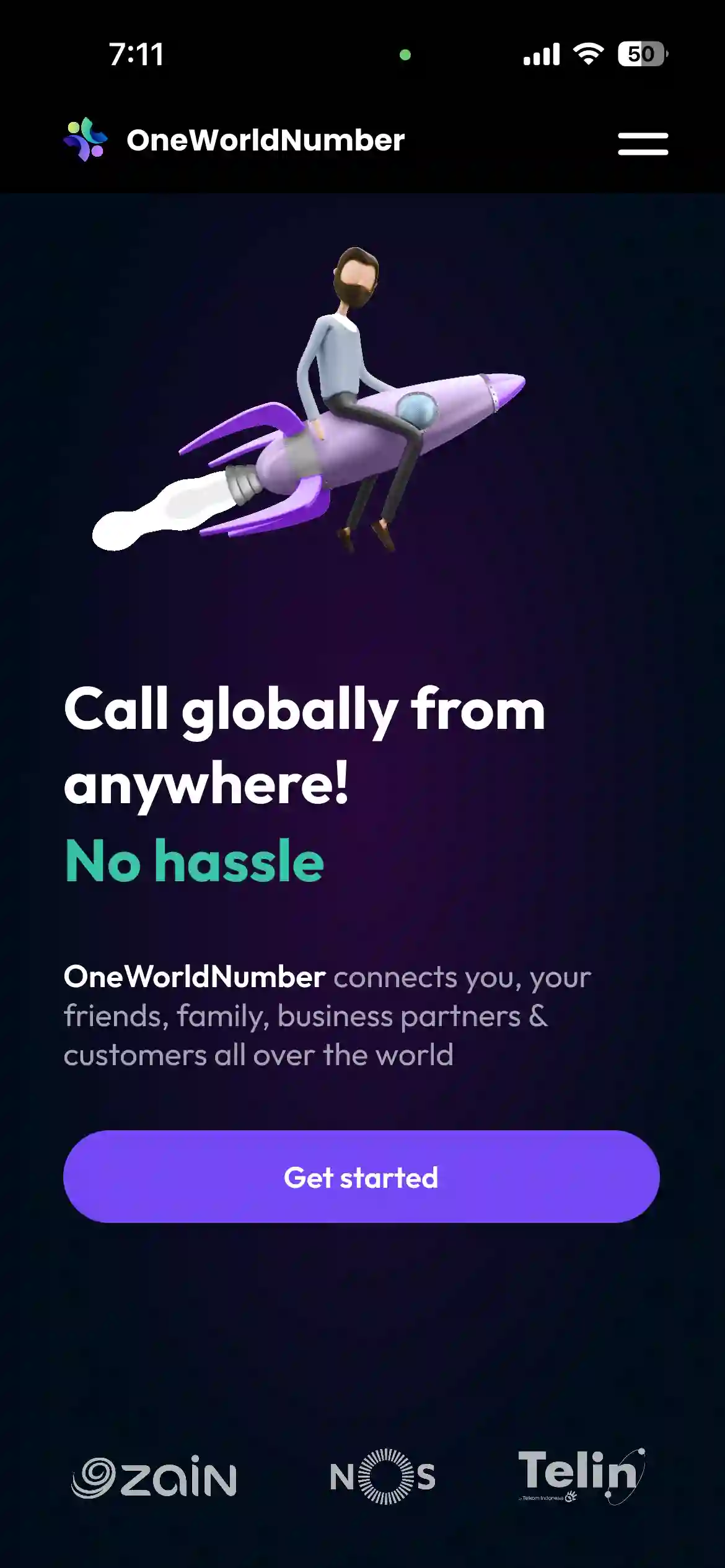
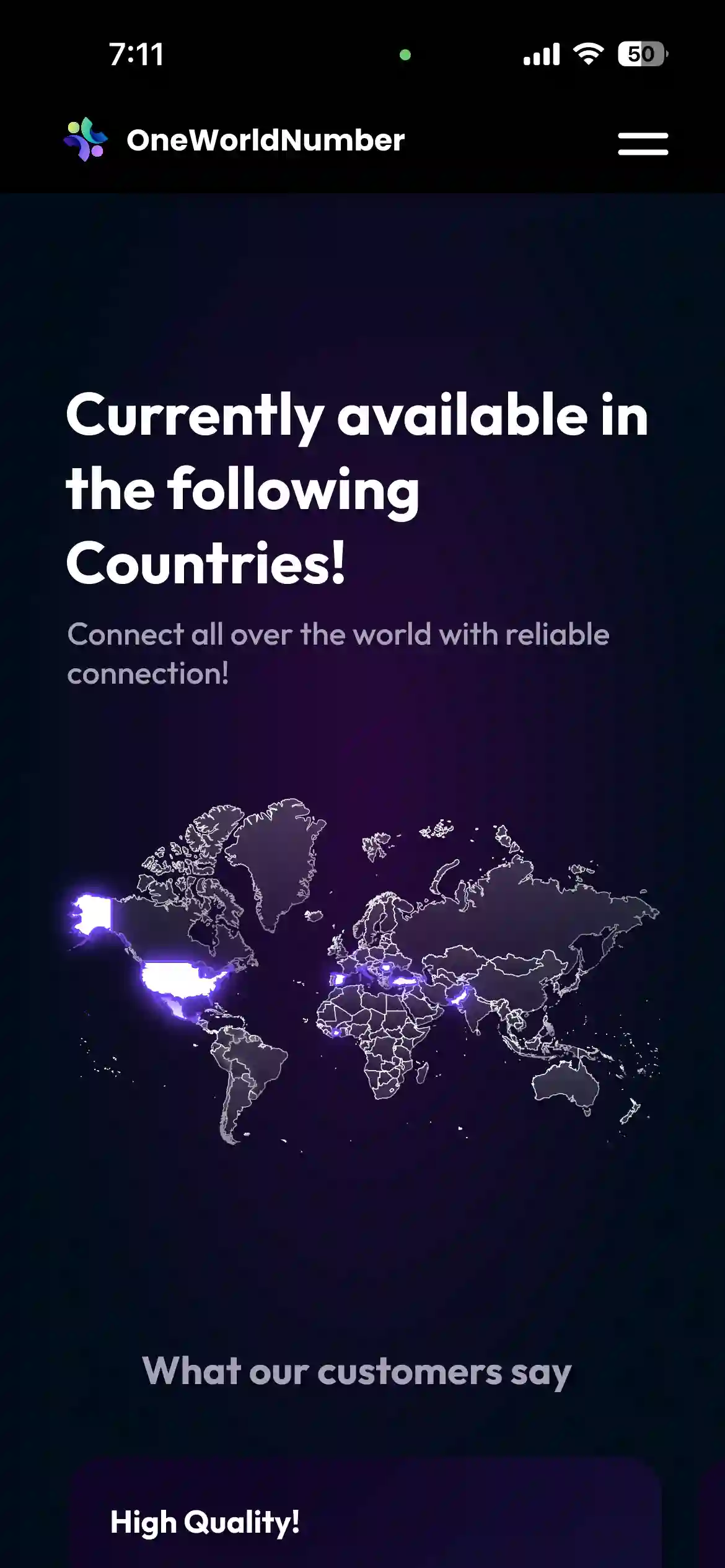
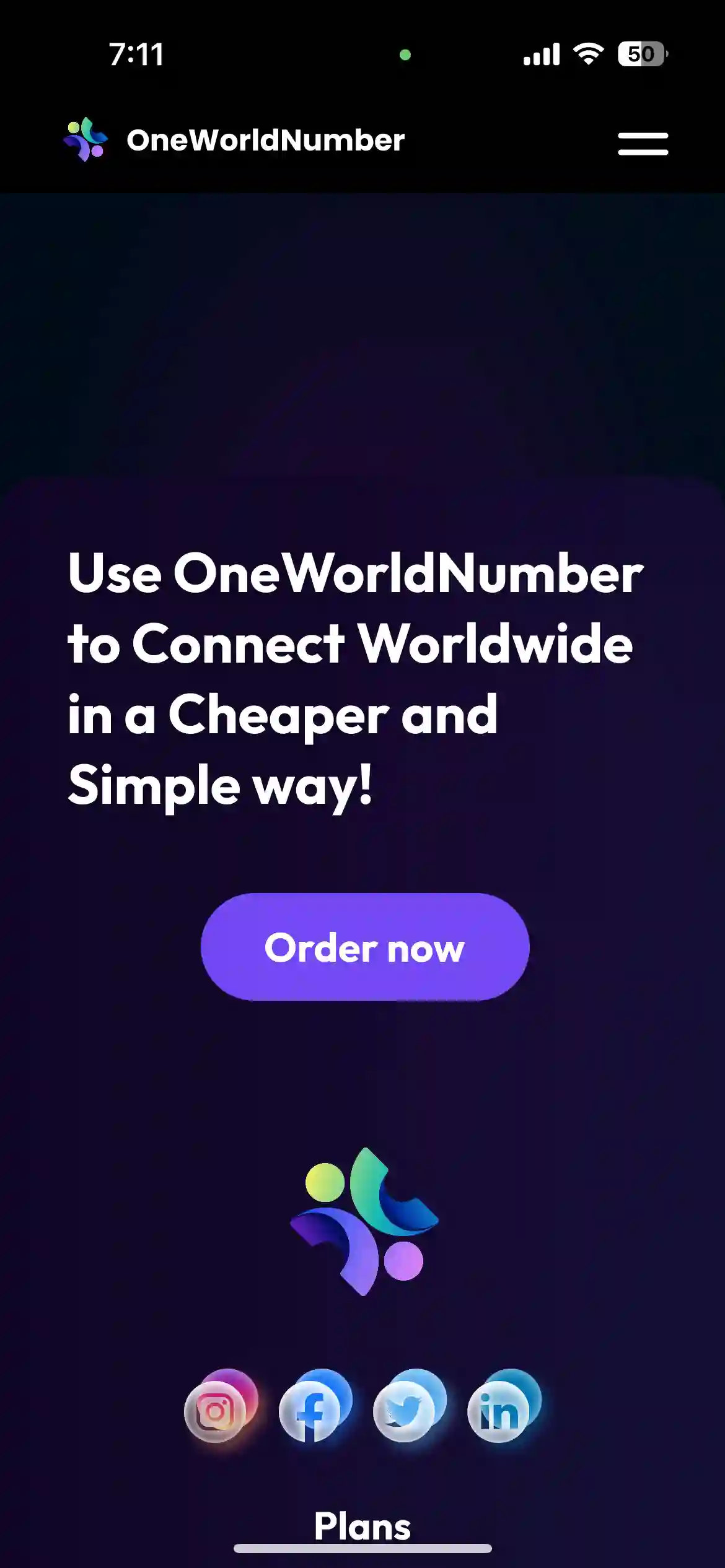

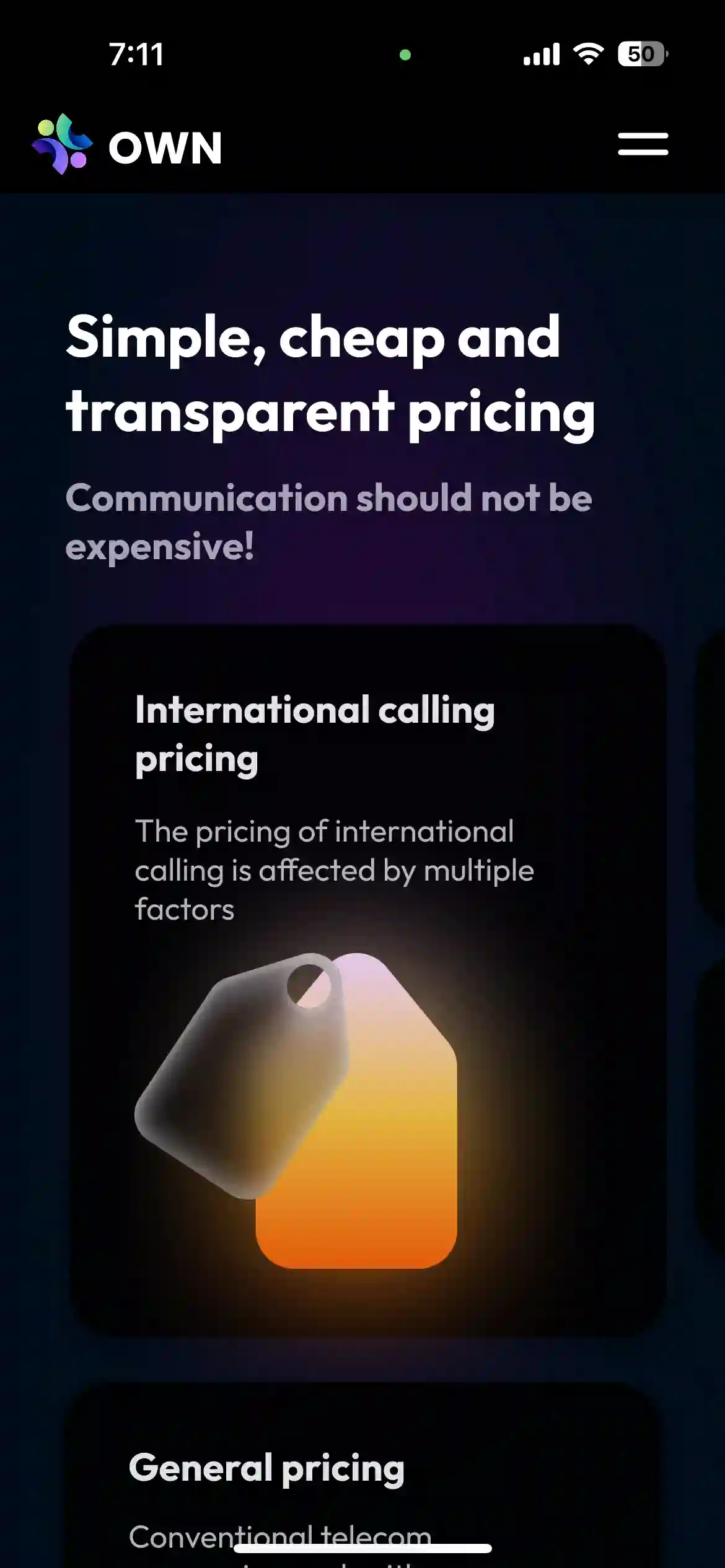
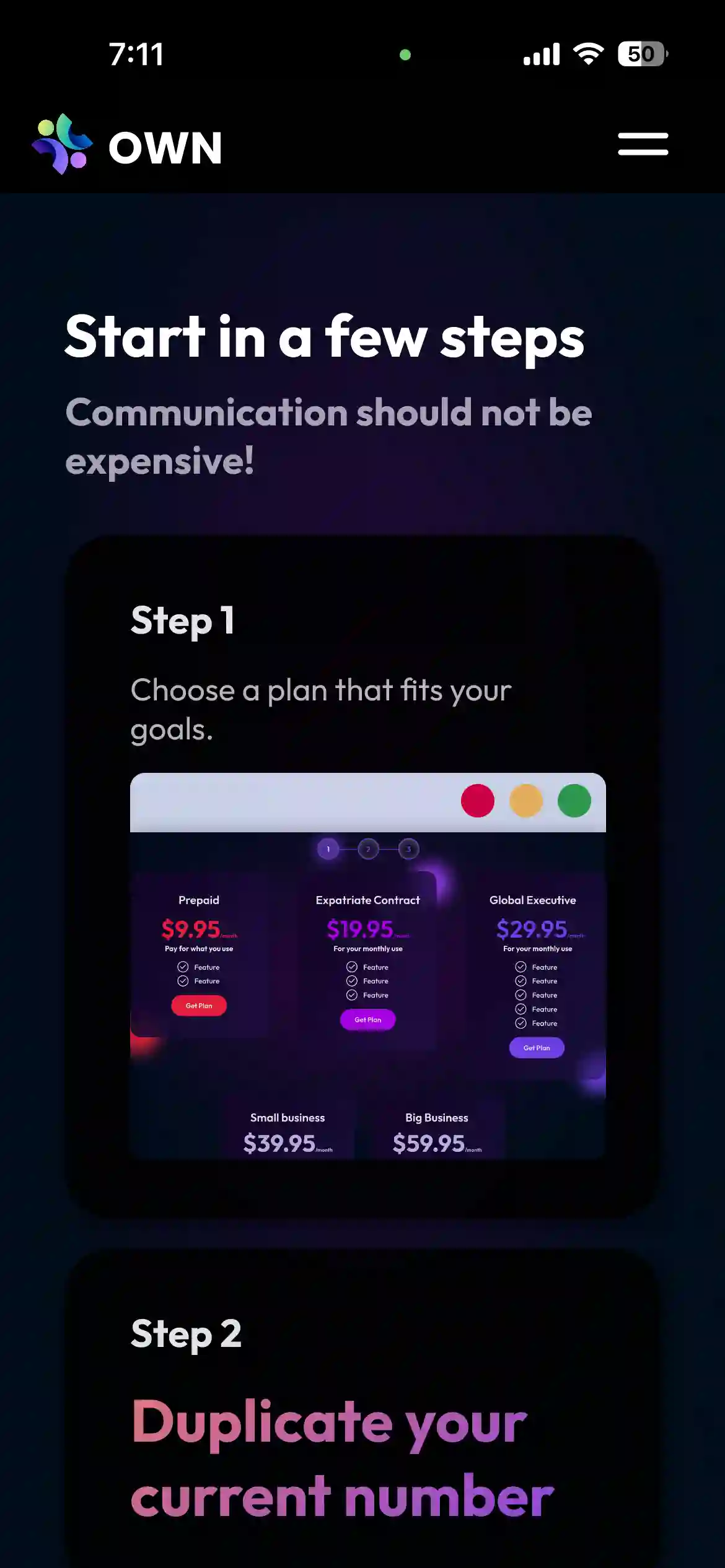
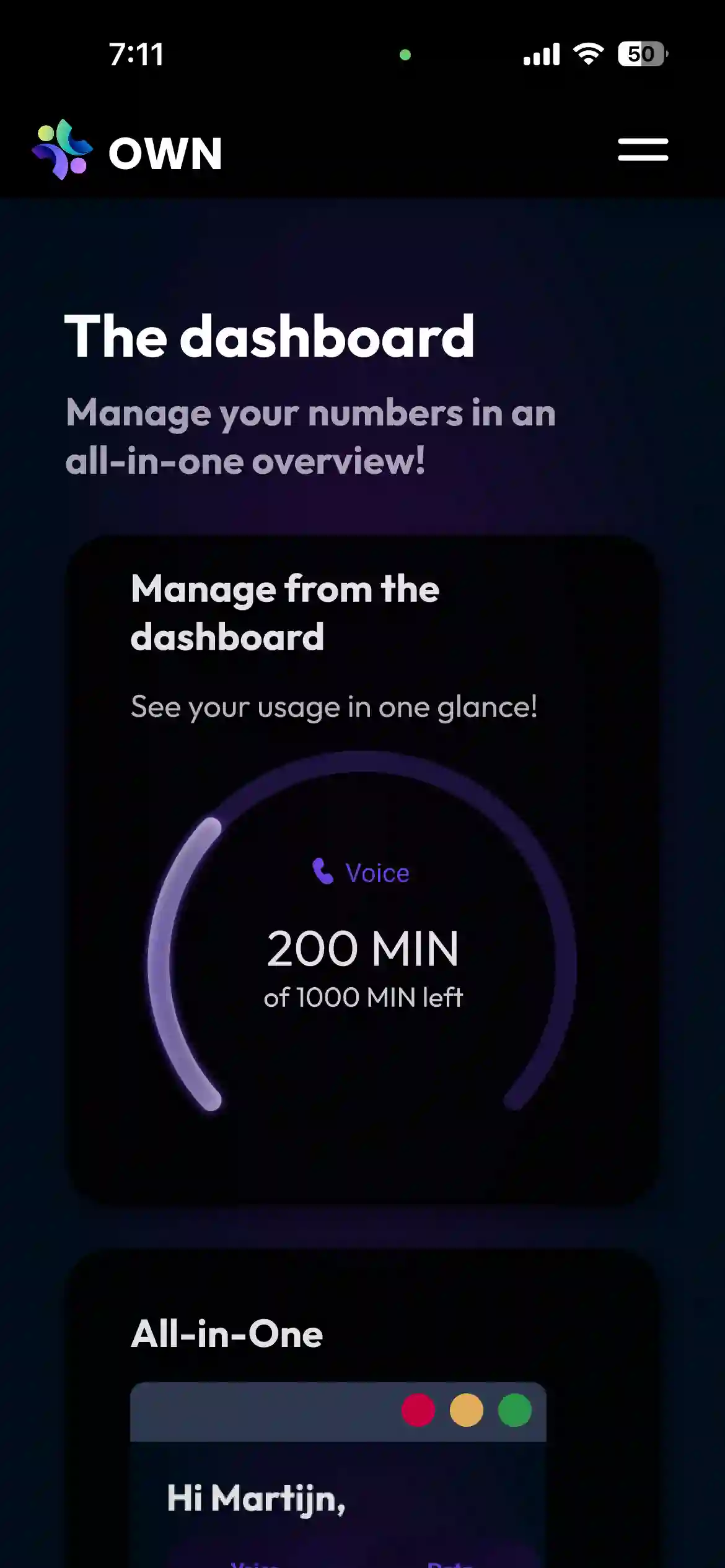
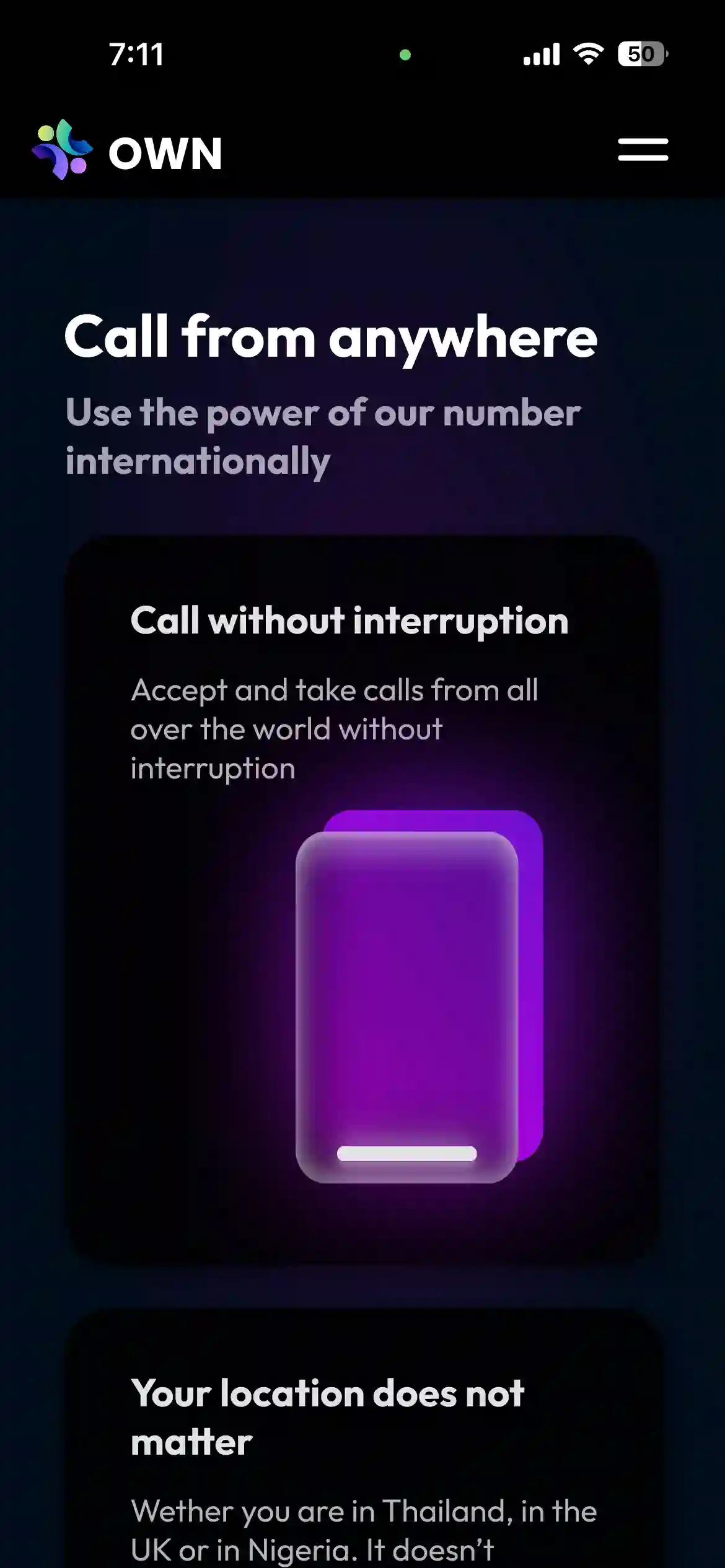
Despite early validation, the design was deprioritized due to market shifts. I conducted user testing, focusing on the following insights:
Conversion & Adoption Signals
User testing revealed a strong purchase intent. Participants consistently indicated they would consider buying the product, suggesting the design effectively supported both conversion and early adoption.
Final Testing Outcomes
The final test round showed improved product clarity. Users were able to quickly understand the offering, indicating that the website successfully communicated the product’s value.
Stakeholder Assessment
Stakeholders responded positively to the new design, highlighting its clarity, engagement, and perceived usefulness.
Key Learnings
Early Research Misalignment
At the start of the project, I formulated a broad set of research questions to identify key areas of investigation. This initially led to an overly wide scope, including unnecessary deep dives into development constraints and telecom-specific topics. These findings helped refine the research focus and sharpen subsequent decisions.
Underestimating Time and Technical Complexity
During the ideation phase, I explored a wide range of concepts. Several were deprioritized due to time constraints and technical limitations. As the project progressed, certain tasks required the acquisition of new technical skills, increasing execution time and impacting the timeline. These constraints informed more realistic scoping and prioritization decisions in later stages.
Over-investing in Early Detail
During early stages of the project, I spent more time than necessary refining low-fidelity deliverables such as wireframes. This reduced momentum in the initial phases and highlighted the need for clearer fidelity boundaries. In later stages, I time-boxed exploratory work to maintain progress and focus on impact.

Product Designer focused on usable, feasible products
Designing with implementation in mind.
Copyright @ 2026 Christiaan Sanmoekmin. This site is built with Framer. Icons by Lucide